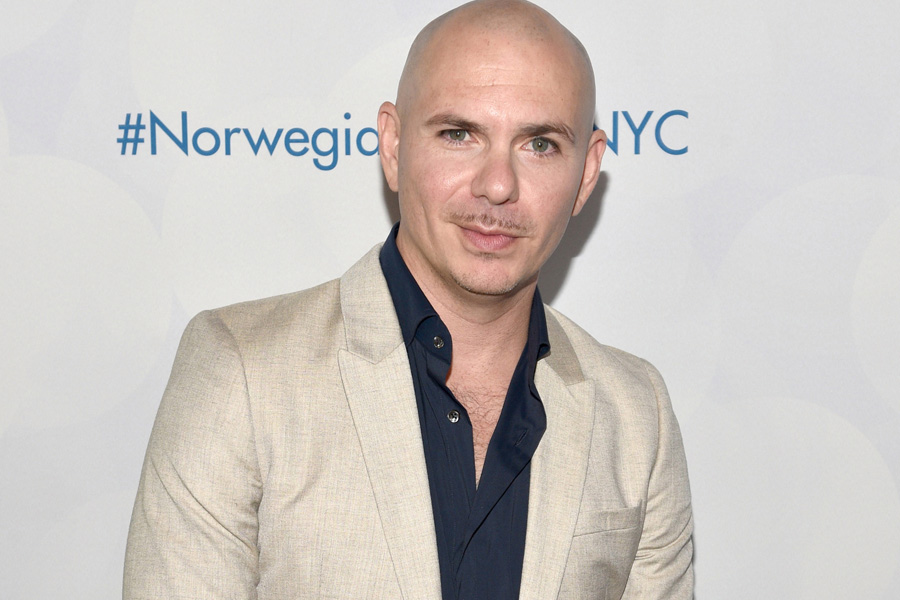
Who Is Armando Christian Perez?
Armando Christian Perez is a prime example of reinvention, discipline, and worldwide branding in the current music industry. Born in Miami, Florida, on January 15, 1981, Pitbull is also known as Mr. 305 and Mr. Worldwide. Names are more than slogans. They show his rise from Miami to a global career in rap, pop, business, and entertainment.
American rapper, singer, composer, actor, entrepreneur, and businessman with Cuban roots. Despite his slick clothes, stadium lights, and hit singles, his foundation was considerably rougher. His narrative begins in Miami with family separation, financial hardship, cultural pride, and a determined effort to live.
What makes his biography compelling to me is the contrast. He came from instability, yet built order. He grew up around hardship, yet mastered self-presentation. He started in regional hip-hop, yet became one of the most recognizable crossover artists in the world.
Early Life in Miami
Miami is a metropolis of languages, communities, and aspirations, where Armando Christian Perez was reared. After his parents divorced, he lived with his mother. That familial change influenced his early existence and is often mentioned in his childhood.
During his youth, he experienced economic hardship and periods of instability. He has also spoken openly about difficult surroundings and exposure to drug activity when he was young. Those details matter because they show that his later discipline was not accidental. It was forged under pressure.
His development was shaped by Miami. He witnessed Latin culture, Southern hip-hop, immigrant tenacity, and street hustle in the city. This combo became one of his signatures. His music and public persona are loud, multilingual, rhythmic, and unmistakable, like Miami.
He also maintained a close connection to his Cuban roots. That cultural inheritance shaped not just how he saw himself, but also how he spoke about success, sacrifice, and family history.
His Mother and Her Influence
I think Pitbull’s mother was his most influential growing up. Public stories constantly credit her with raising him after his parents divorced. Pitbull has also implied that she was quite responsible for him as a child.
She was a Cuban immigrant whose courage shaped his upbringing. Her role seems to have been both anchor and engine. She kept the family together and advanced him. That effect had a lasting impression on his work ethic, confidence, and cultural identity.
Her role becomes even more important when viewed against the instability of his early years. A child moving through difficulty often needs one steady light. For him, his mother appears to have been that light.
His Father and Family Background
Pitbull’s father is generally identified as Armando Perez, also a Cuban immigrant. Their relationship has been described as complicated, especially because his father was reportedly absent during major portions of his childhood after the separation.
Still, the father’s influence is part of the family story. The family is typically linked to Cuban exile and anti-Castro politics. That heritage offered Pitbull more than ancestry. It offered him a generational story of displacement, struggle, and survival.
I believe this crucial since his public identity is typically reduced to party tunes and financial success. The polished image hides a family history of migration, politics, and identity. His upbringing explains why ethnic pride is so prominent in his life.
The Start of His Career
Pitbull began gaining traction in the early 2000s through Miami’s rap scene and connections linked to Luke Records. Those early years were not glamorous. They were foundational. He built his name in a space where local credibility mattered and competition was intense.
His breakthrough came through collaborations with Southern hip-hop figures, especially Lil Jon. That partnership helped amplify his voice beyond Miami and introduced him to a wider audience hungry for high-energy club records.
In 2004, he published M.I.A.M.I. The album propelled him nationally. It introduced an artist who understood rhythm, branding, and movement. Later albums like El Mariel (2006) and The Boatlift (2007) kept him active, but the next leap was bigger.
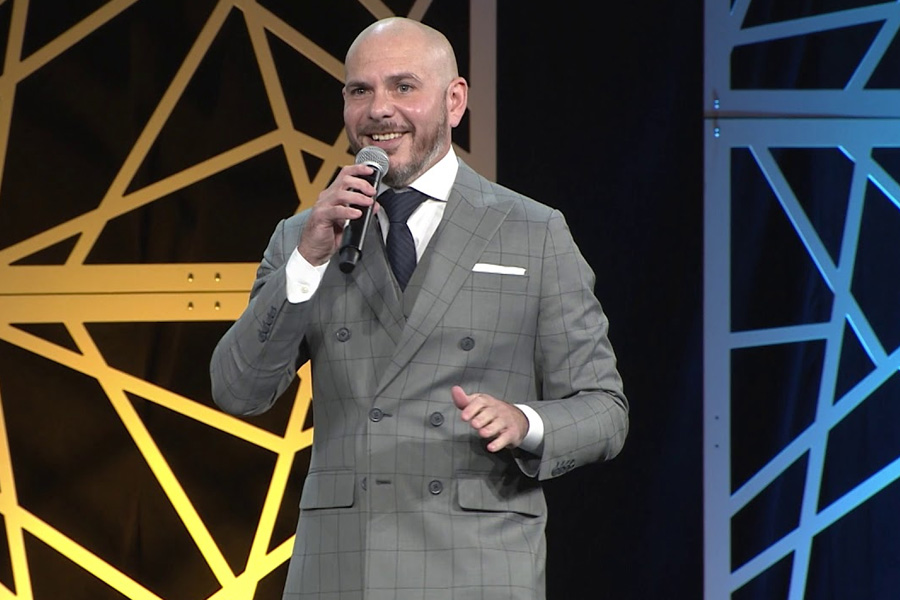
The Global Breakthrough
Around 2009, Pitbull transformed from a recognized rapper into a global crossover force. Songs like “I Know You Want Me (Calle Ocho)” and “Hotel Room Service” pushed him into broader international markets. Then came an even larger run of hits.
By 2011, “Give Me Everything” became a worldwide No. 1 hit. In the years that followed, tracks such as “International Love,” “Feel This Moment,” “Fireball,” “Time of Our Lives,” and “Timber” turned him into a constant presence on radio, streaming playlists, and concert stages.
His rise worked because he understood scale. He could adapt his style without losing his identity. He moved between rap, dance-pop, Latin influence, and club music like a driver changing lanes at full speed while never losing control.
Here is a quick snapshot of major career milestones:
| Year | Milestone |
|---|---|
| 1981 | Born in Miami, Florida |
| 2001 | Begins professional music activity |
| 2004 | Releases M.I.A.M.I. |
| 2006 | Releases El Mariel |
| 2007 | Releases The Boatlift |
| 2009 | International breakthrough with “I Know You Want Me” |
| 2011 | “Give Me Everything” reaches worldwide success |
| 2013 | “Timber” becomes one of his biggest hits |
| 2014 to 2019 | Expands education and business ventures |
| 2025 | Maintains strong global performance presence |
| 2026 | Launches major “I’m Back Tour” |
Collaborations and Mainstream Power
One reason Pitbull became so commercially effective is that he mastered collaboration. He worked with Jennifer Lopez, Shakira, Christina Aguilera, Kesha, Ne-Yo, and Lil Jon, among many others. These pairings helped him cross audiences and formats with unusual speed.
But collaboration alone does not explain his durability. Plenty of artists feature on major tracks and fade. Pitbull stayed visible because he treated every appearance like a brand statement. He was not just adding verses. He was reinforcing an identity.
That identity blended confidence, humor, precision, and relentless energy. In a crowded entertainment world, he became instantly recognizable. His shaved head, dark sunglasses, sharp suits, and booming catchphrases turned him into a symbol as much as a performer.
Family Life and Children
Pitbull is notably private about his children, which sets him apart from many celebrities. While aspects of his professional life are public and expansive, he has generally kept his family life shielded from media attention.
He is widely reported to have multiple children, often said to be six. However, he rarely discusses them in detail. I see this as one of the clearest signs that he draws a firm line between celebrity and fatherhood.
Destiny and Bryce Perez are among the names circulating. Public sources list them as his children, and Destiny is commonly mentioned as his daughter with Barbara Alba. The family’s secrecy is reflected in Bryce’s little information.
That privacy matters. In an era where fame often swallows personal boundaries, Pitbull has tried to keep his children away from the spotlight. It suggests a deliberate instinct to protect what he considers most personal.
Barbara Alba and Co-Parenting
Barbara Alba is frequently identified in public discussions as the mother of at least some of Pitbull’s children. Their relationship received media attention over time, especially in connection with parenting and family-law matters.
They were not married, but their names have remained linked through co-parenting. While public details are limited and often fragmented, the broad picture is clear: Barbara Alba is one of the most important personal figures connected to Pitbull’s family life.
In stories about celebrities, romantic relationships are often treated as spectacle. Here, though, the more meaningful angle is family structure. She is relevant not just as a former partner, but as part of the private world behind the public performer.
Business Ventures and Wealth
Pitbull went beyond music. He entered record labels, TV production, fragrances, fashion, beverage businesses, brand partnerships, and SiriusXM. He was also heavily involved in SLAM! charter-school network, linking his public identity to education and youth opportunity.
This business expansion helps explain why he became more than a hitmaker. He became a brand architect. Many artists chase fame like fireworks. Pitbull built something closer to a machine.
His net worth is often estimated in the range of $100 million to $150 million. Exact numbers are not publicly verified, but the broad drivers are clear: music royalties, touring, endorsements, business investments, licensing, and corporate partnerships.
Recent Activity in 2025 and 2026
Pitbull remained highly active in 2025 and 2026. He continued his strong concert presence and international branding efforts, while official promotions highlighted major performances and tour activity.
He announced the “I’m Back Tour” in 2026, which included shows with Lil Jon and dates in the US, UK, and Ireland. A London performance with the biggest number of bald-capped people was also reported as a world record attempt.
An additional 2026 event brought attention to Miami. It was reported that he planned to turn a boyhood property into the headquarters for his Mr. 305 company and music operations. I find that detail symbolic. The metropolis that shaped him is still in his engine.
Why His Story Still Resonates
Not merely his fame intrigues me about Armando Christian Perez. Story framework. A boy from turmoil becomes a global performer. Local rappers become global brands. Private fathers become public hustlers. He lives like a song with pressure, rhythm, and time.
He embodies modern achievement with a strong family heritage. Even with little public knowledge about family, the emotional contour is powerful. His mother was crucial. The identity included his father’s history. His kids are safe. Family life is somewhat hidden as his public profession fills venues.
FAQ
Who is Armando Christian Perez?
Armando Christian Perez is the full name of Pitbull, the American rapper, singer, songwriter, entrepreneur, and entertainer born in Miami, Florida, on January 15, 1981.
What is Pitbull most famous for?
He is most famous for becoming a global crossover music star with major hits such as “Give Me Everything,” “Timber,” “I Know You Want Me,” and “Feel This Moment.”
Where did Pitbull grow up?
He grew up in Miami, Florida, a city that strongly influenced his music, identity, and public persona.
Who raised Pitbull?
He was raised primarily by his mother after his parents separated. She is often described as the dominant parental influence in his childhood.
Who is Pitbull’s father?
His father is generally identified as Armando Perez, a Cuban immigrant whose relationship with Pitbull has been described as complicated.
Does Pitbull have children?
Yes, he is widely reported to have multiple children, often said to be six, though he keeps details about them very private.
Who are Destiny Perez and Bryce Perez?
Destiny Perez and Bryce Perez are two of the names that have appeared publicly in connection with Pitbull’s children, although information about them remains limited.
Who is Barbara Alba?
Barbara Alba is frequently identified as the mother of at least some of Pitbull’s children and is known publicly through co-parenting connections with him.
What was Pitbull’s breakthrough album?
His breakthrough album was M.I.A.M.I., released in 2004, which helped establish him on the national music scene.
What businesses is Pitbull involved in?
Beyond music, he has been involved in record labels, media, fashion, fragrances, beverage ventures, brand partnerships, SiriusXM programming, and education initiatives such as the SLAM! charter-school network.
What is Pitbull’s estimated net worth?
His wealth is commonly estimated at about $100 million to $150 million, although no exact public figure is officially verified.
What happened in Pitbull’s career in 2026?
In 2026, he announced the “I’m Back Tour,” promoted major live performances, and was also linked to plans for a Miami-based Mr. 305 headquarters tied to a former childhood property.